Biologist Without Boarders is a non-profit foundation focused on engaging scientist in wildlife management and conservation efforts. Understanding charismatic mega fauna abundance and distribution are key ingredients to successful management. We were fortunate in having skilled scientist lead us to exciting and educational capture-tag-release operations during our South African safari adventure.
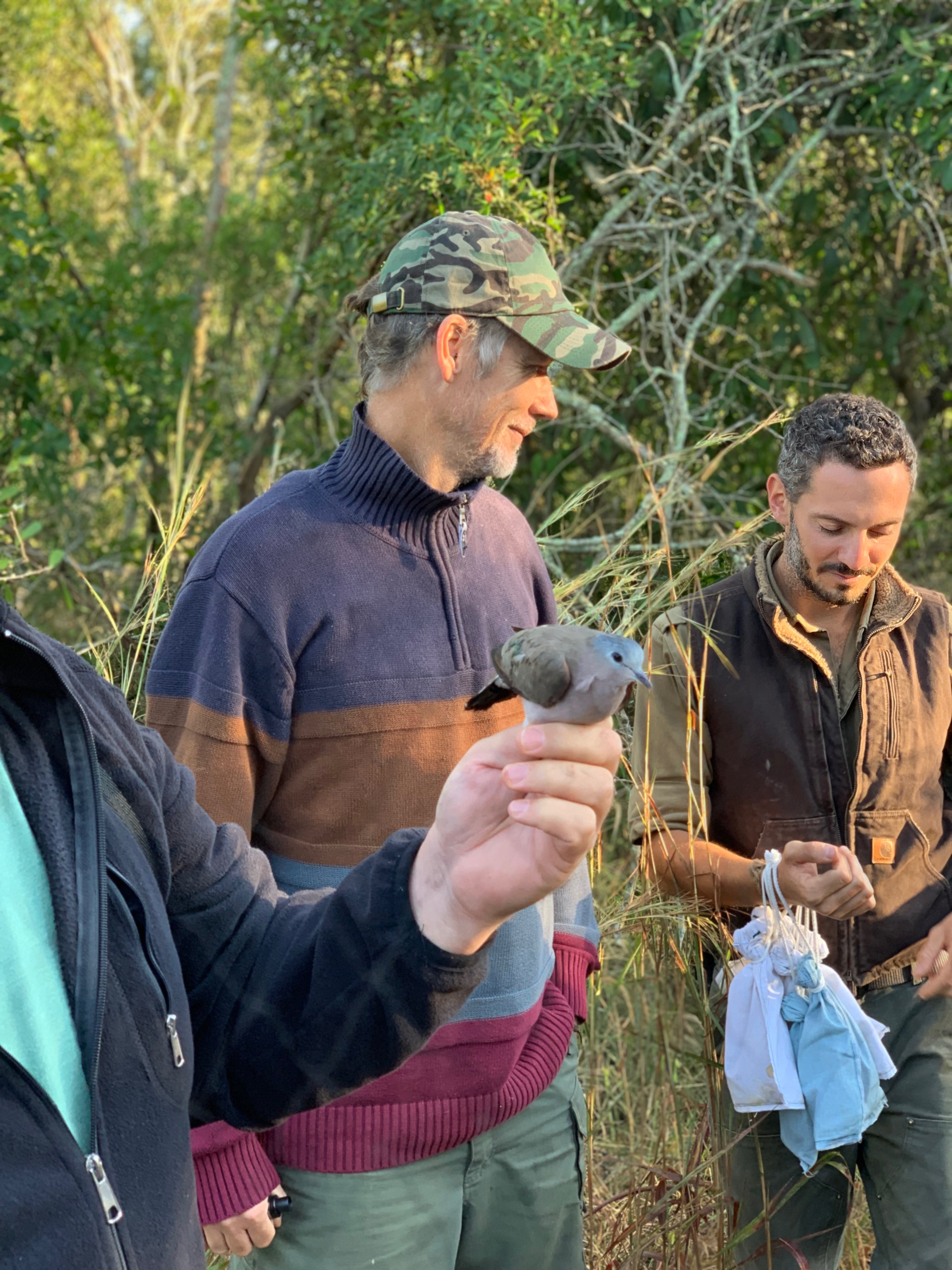
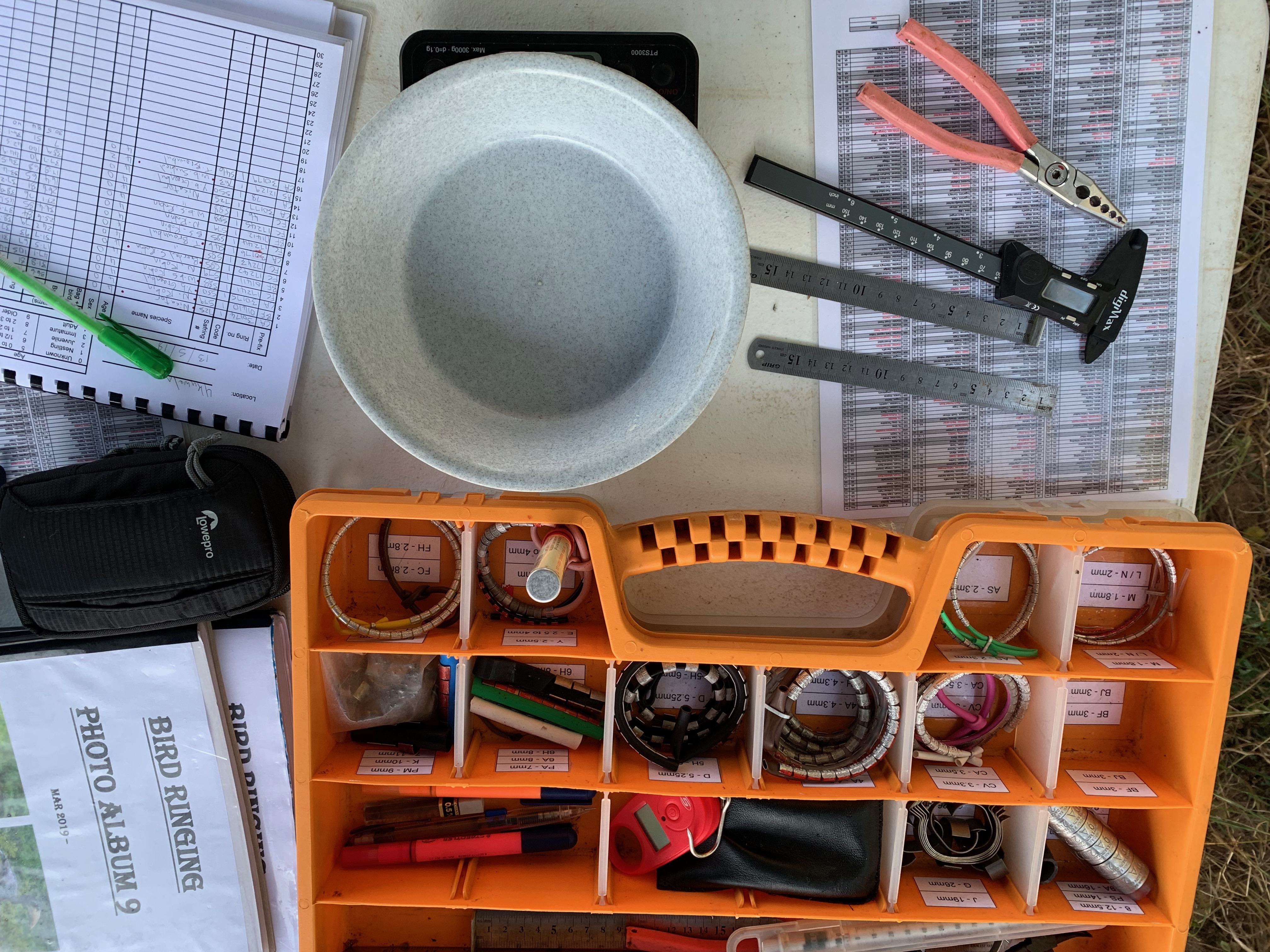
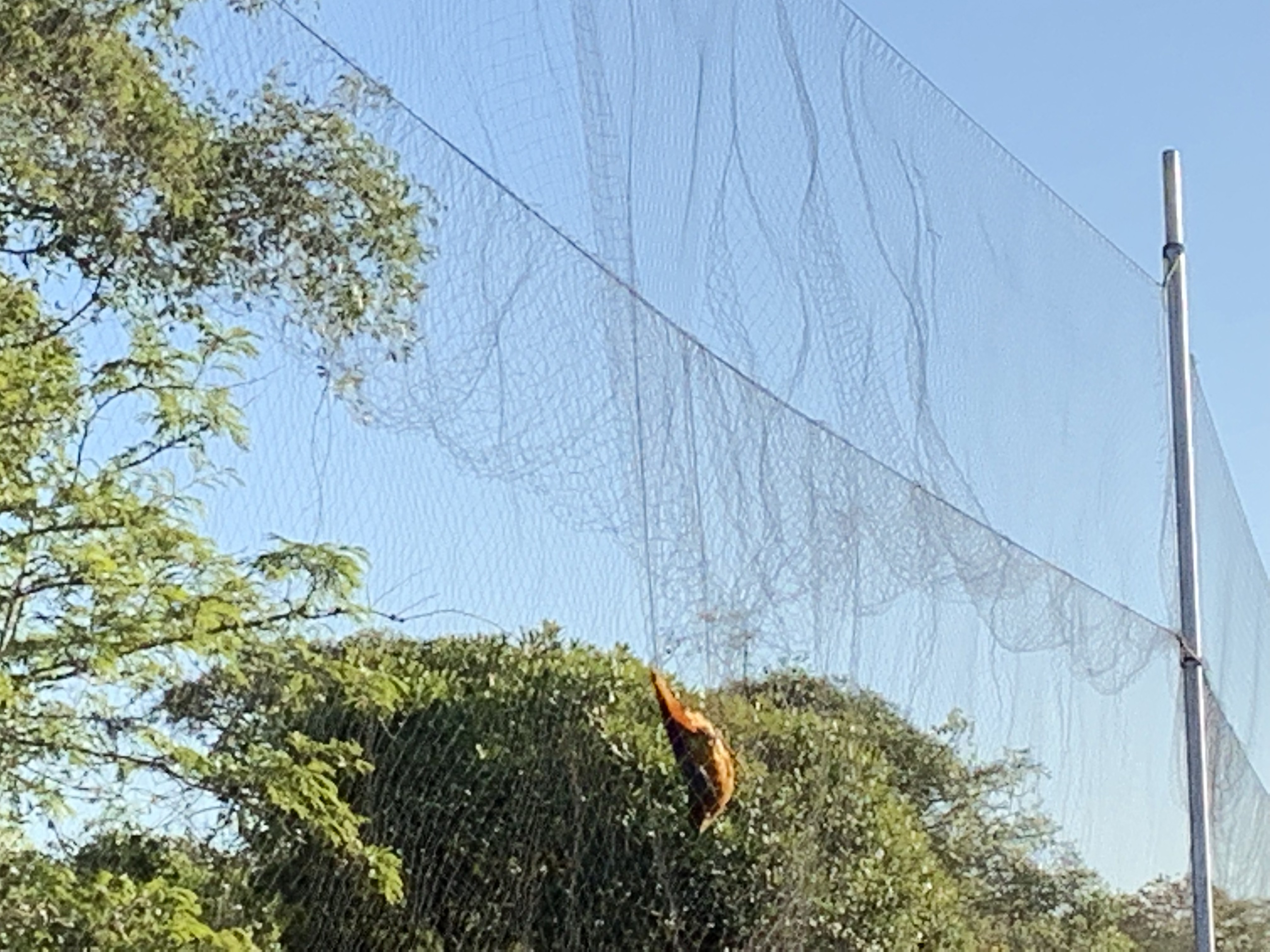
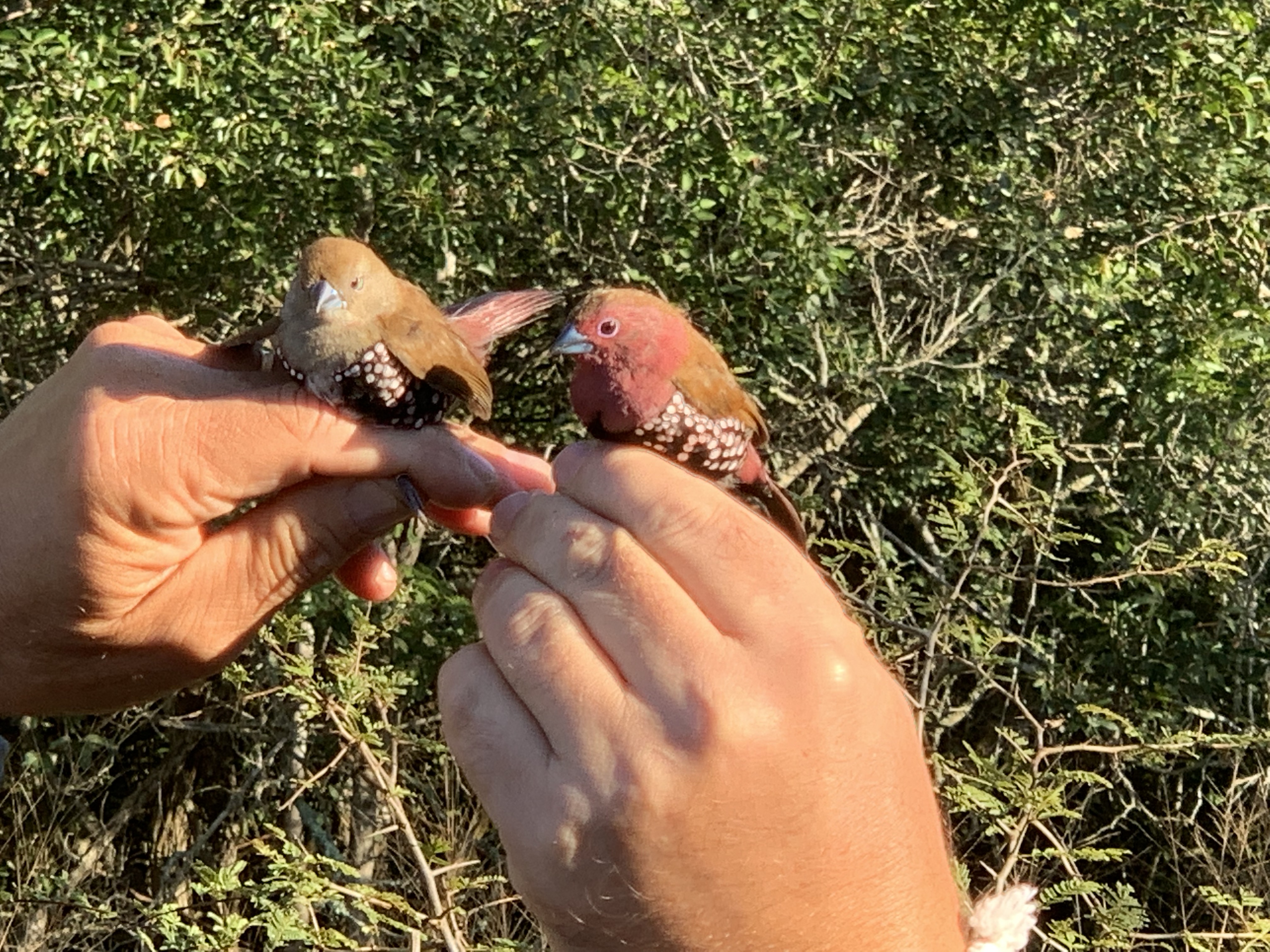
A local volunteer team conducted monthly mist net operations to capture and tag local birds. The nets were a very fine mesh that would not normally be seen by most species of birds. They fly into the net and get tangled, but not hurt. The team would walk the length of the net every half an hour and remove the birds and place them in small cloth bags. For the most part the captured birds remained quiet in the confines of the dark bags. The bags were then brought to the work station where measurements were taken and a ring with a number on it was attached to the birds leg. The birds were released and all few away. Probably a bit irritated but no worse for ware than the stress.

We learned a lot about hyenas. They are biologically related to big cats like lions even though superficially they look a lot more like members of the dog family. They are direct competitors for lions and lions will kill an adult hyena or cub if they can, but four or more adult hyenas will take on a lion and kill it if they can.
Hyenas have a bad rap because of some historical event and African farmers loose live stock to packs of hyenas. Unfortunately Disney’s Lion King cartoons paint an evil picture of hyenas and that is what most people understand about hyenas. We had a hyena come out of the bush and smell the tires of our safari jeep. It wanted to know where we had been and if there was information about potential food sources or other hyenas.
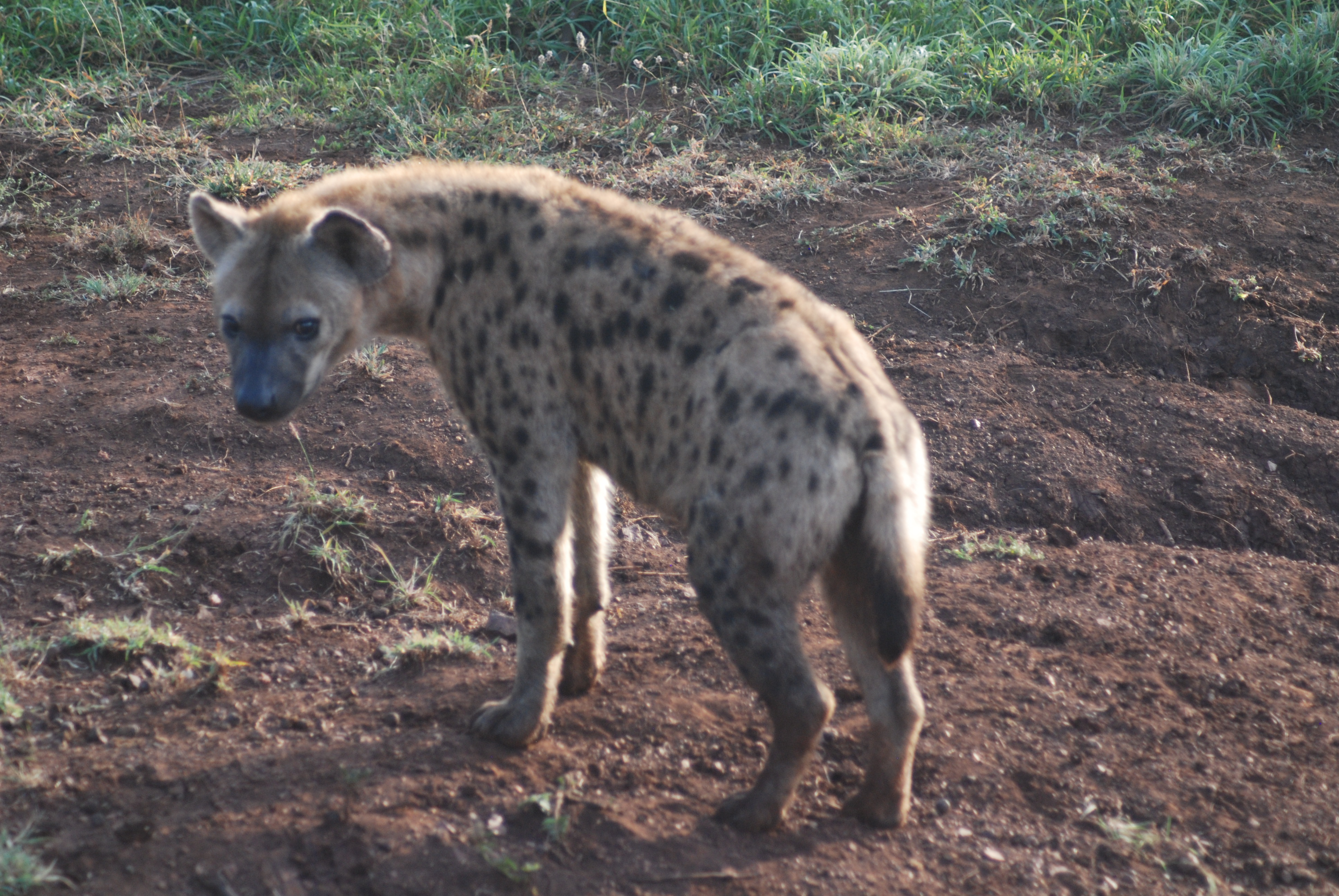

We had an opportunity to tag an adult female hyena. A dominant female leads the pack. They primarily hunt in the dark. A group of them wandered into one of our camps and did their hyena howls right beside my tent half the night. Their foot prints were on the soft sand right in front of my tent. They are exceptionally intelligent and are known to be able to count. This ability is essential when subadult males leave their home pack and seek another pack. They will join packs with the least calling males to increase their opportunity to move up in rank and become breeding members in the new pack.
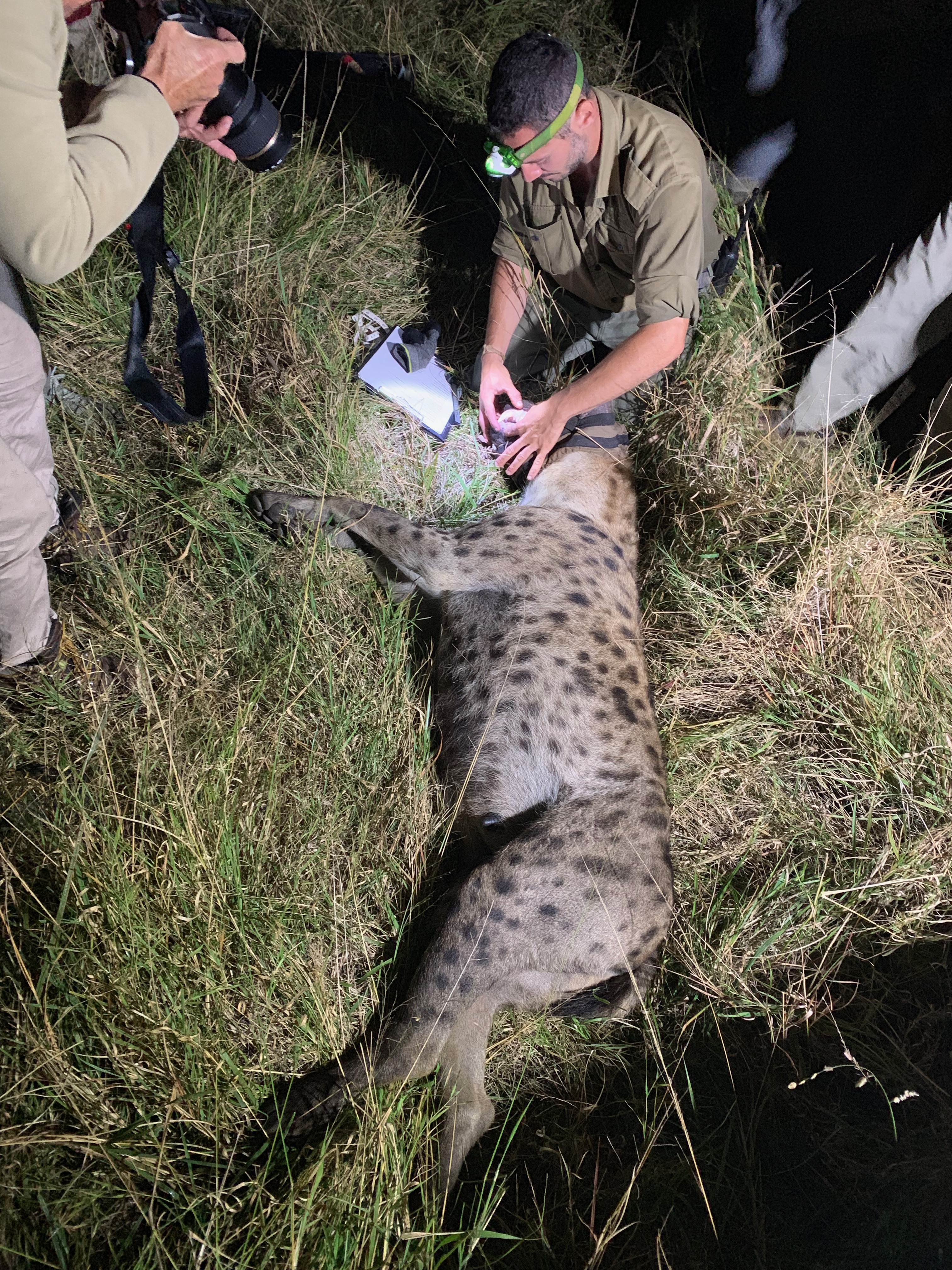
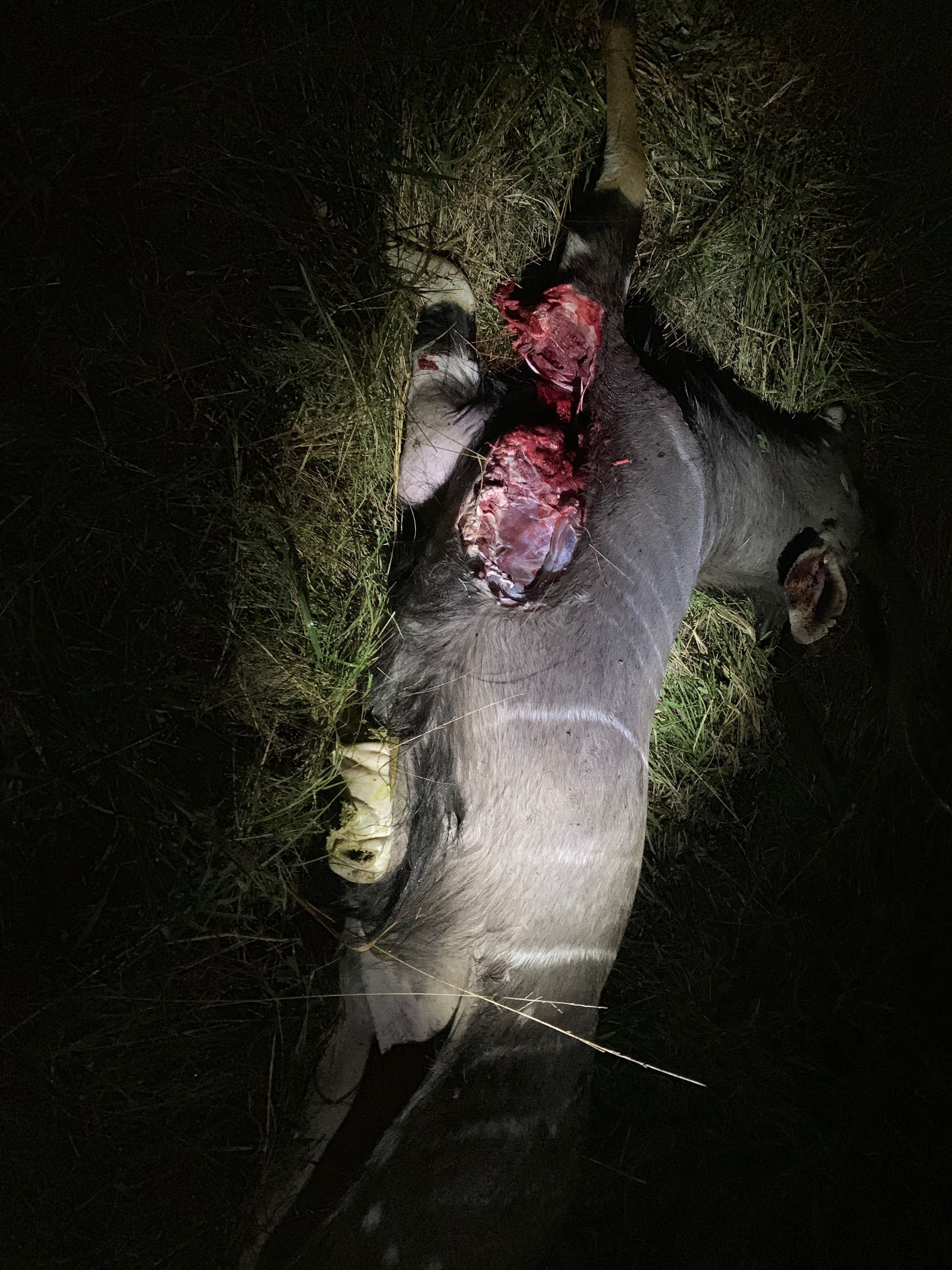
The lead scientist for tagging operations shot a large male antelope that morning to use as bait. The loss of one none breeding male antelope is not a big issue. The hyenas hunt this species all the time and we made it easy for them that evening. He staked it to the ground with a heavy spike and chain so nothing could drag it away and waited until the big momma arrived. A licensed vet used an air gun with a medicated dart to knock her out. When the dart hit the female, a 22 caliber cartridge activated a plunger that inject the cocktail of tranquilizers that put her to sleep in less than 5 minutes.
Once the hyena stoped moving it was moved into the truck lights so measurements could be taken and the radio collar could be attached to her neck. We took blood and hair samples for DNA and health.
There is a lot of concern about TB in the wildlife. Teeth and other body parts were measured and within about half an hour our work was done. The vet ordered us back in our vehicles and he gave her anantidote that had her on her feet and eating in less than a minutes. A second big hyena was darted but the scientist elected not to tag it since it was a male and males always follow the female.
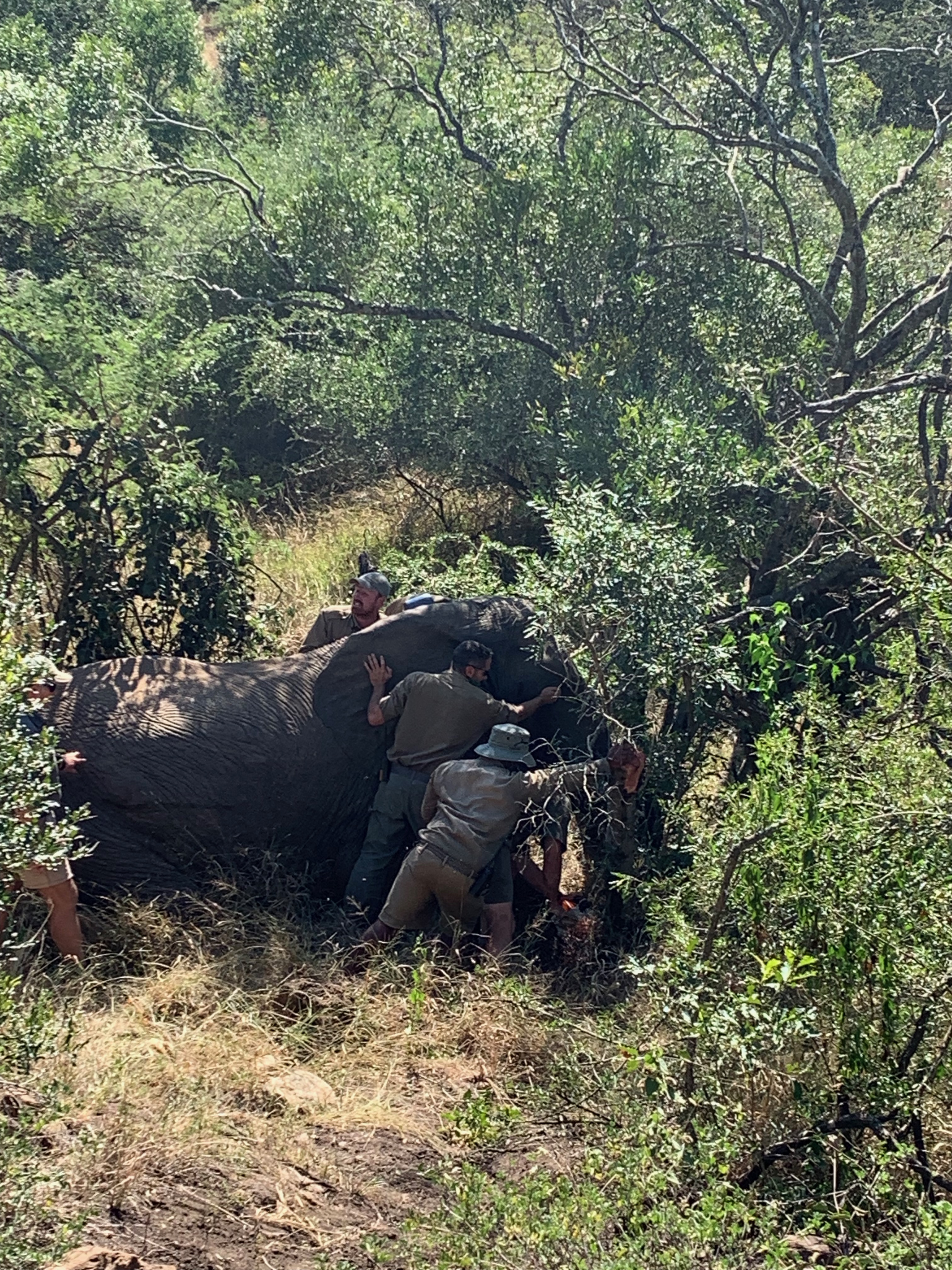
The next day they went after a herd of elephants. There were several herds on the reserve but the one of concern had not been well documented. A helicopter was used to track it down the lead female and separated from the rest of the herd. The veterinarian darted her as she ran for cover in heaven brush. She went down resting on her sternum. That was bad since the pressure directly on her chest prevented her from breathing normally. A chain saw was used to cut small tree away from her and then a group of us stepped up to roll her over on her side. Big job for a big elephant. That is when it is the best time to hug and wild African elephant, when she is knocked out cold. Lots of measurements were taken on her tusks, feet, tail, length of her leg bones, ears etc. Samples of hair and blood were also taken.
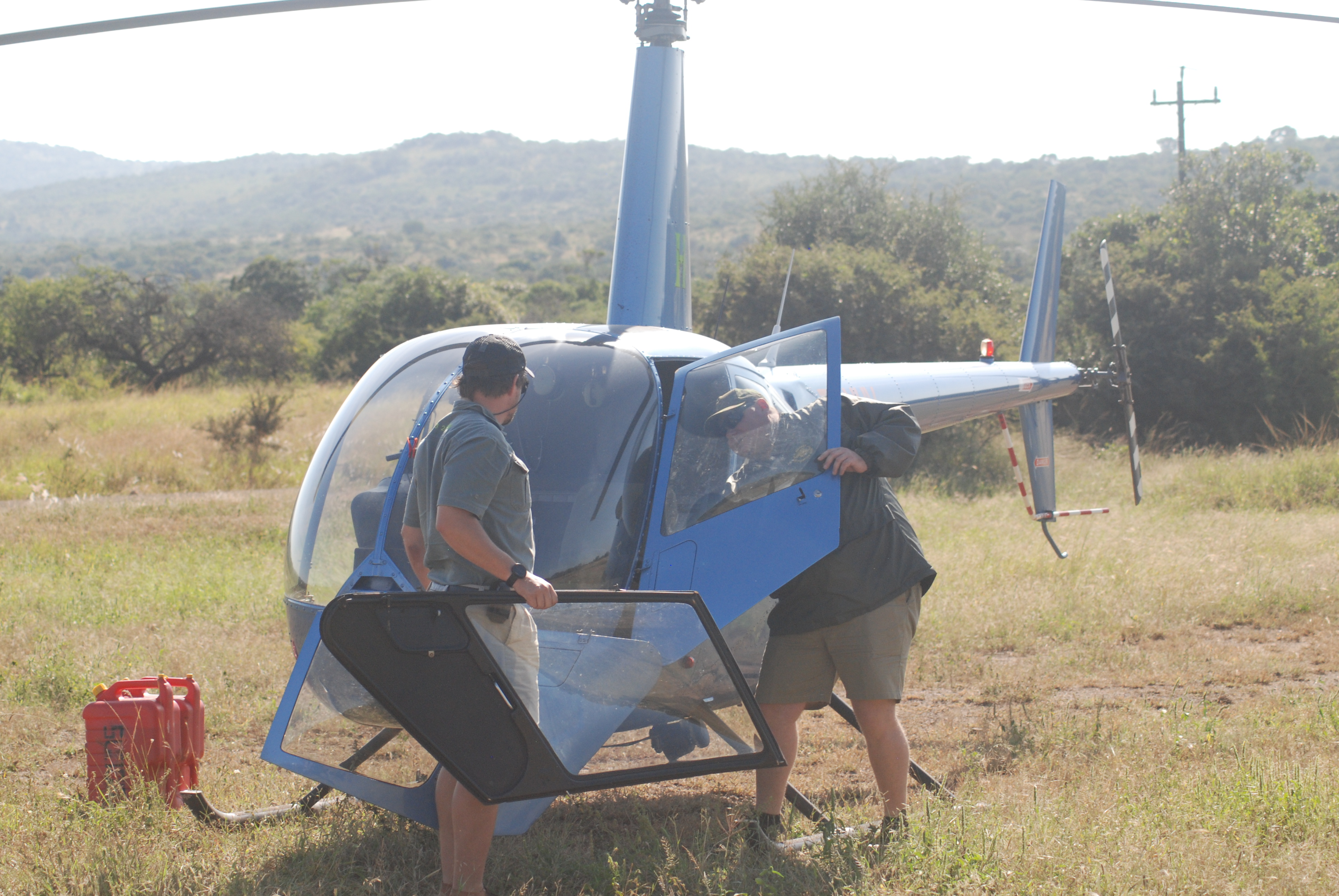
The next day they went after a herd of elephants. There were several herds on the reserve but the movements of the one of concern had not been well documented. A helicopter was used to track it down the lead female and separated from the rest of the herd. The veterinarian darted her as she ran for cover in heaven brush. She went down resting on her sternum. That was bad since the pressure directly on her chest prevented her from breathing normally. A chain saw was used to cut small tree away from her and then a group of us stepped up to roll her over on her side. Big job for a big elephant. That is when it is the best time to hug and wild African elephant, when she is knocked out cold sleeping on her side. Lots of measurements were taken on her tusks, feet, tail, length of her leg bones, ears etc. Samples of hair and blood were also taken.
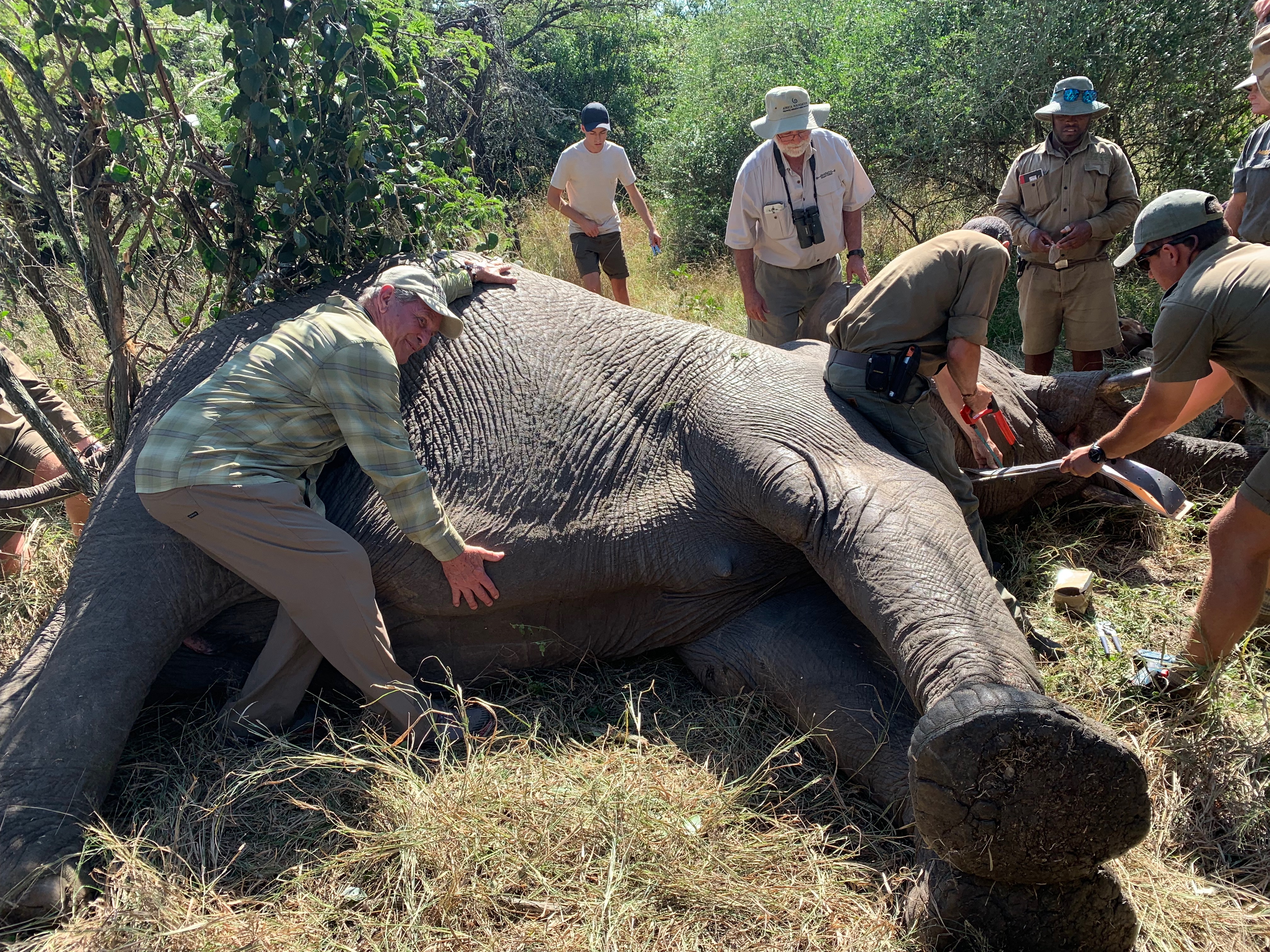
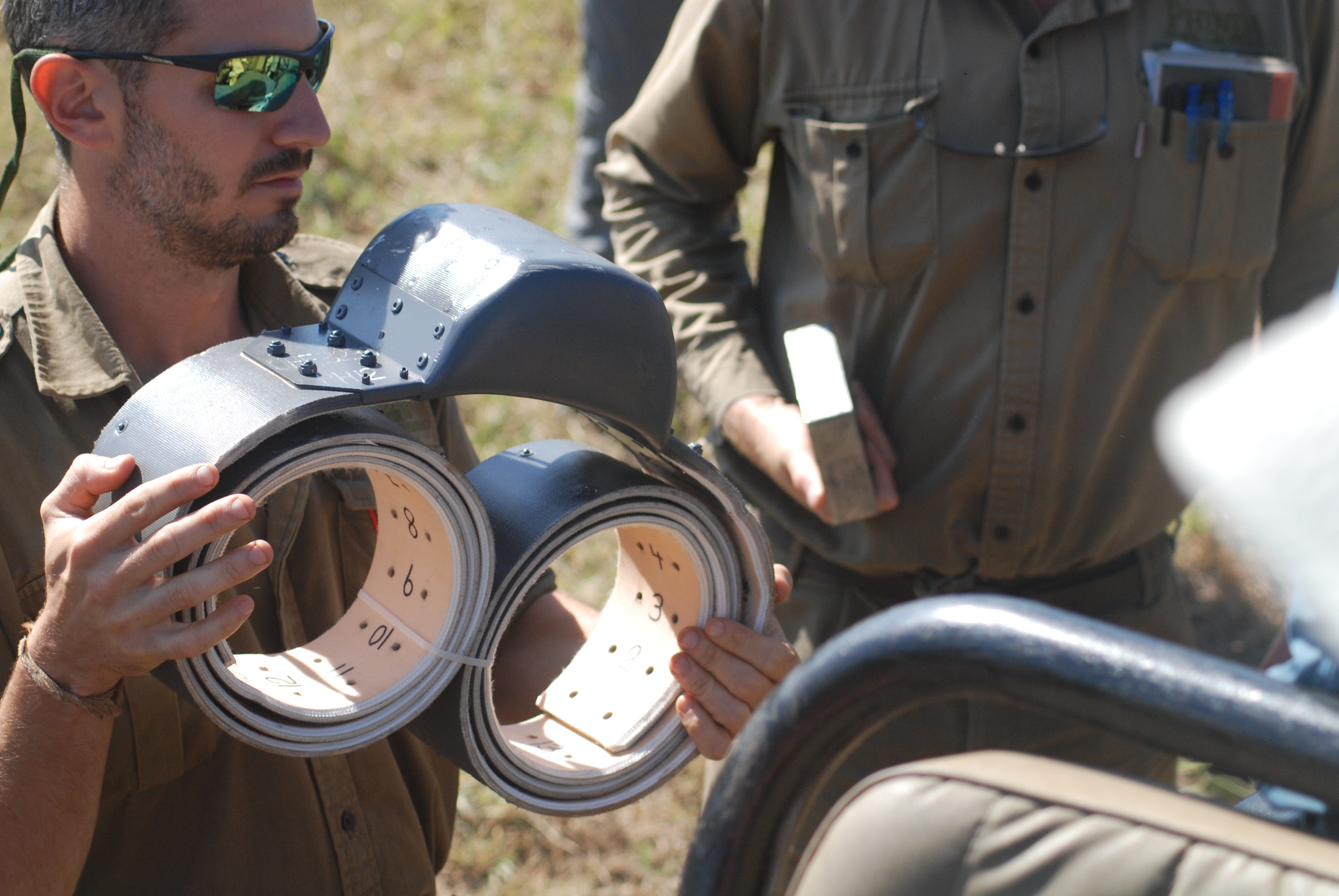
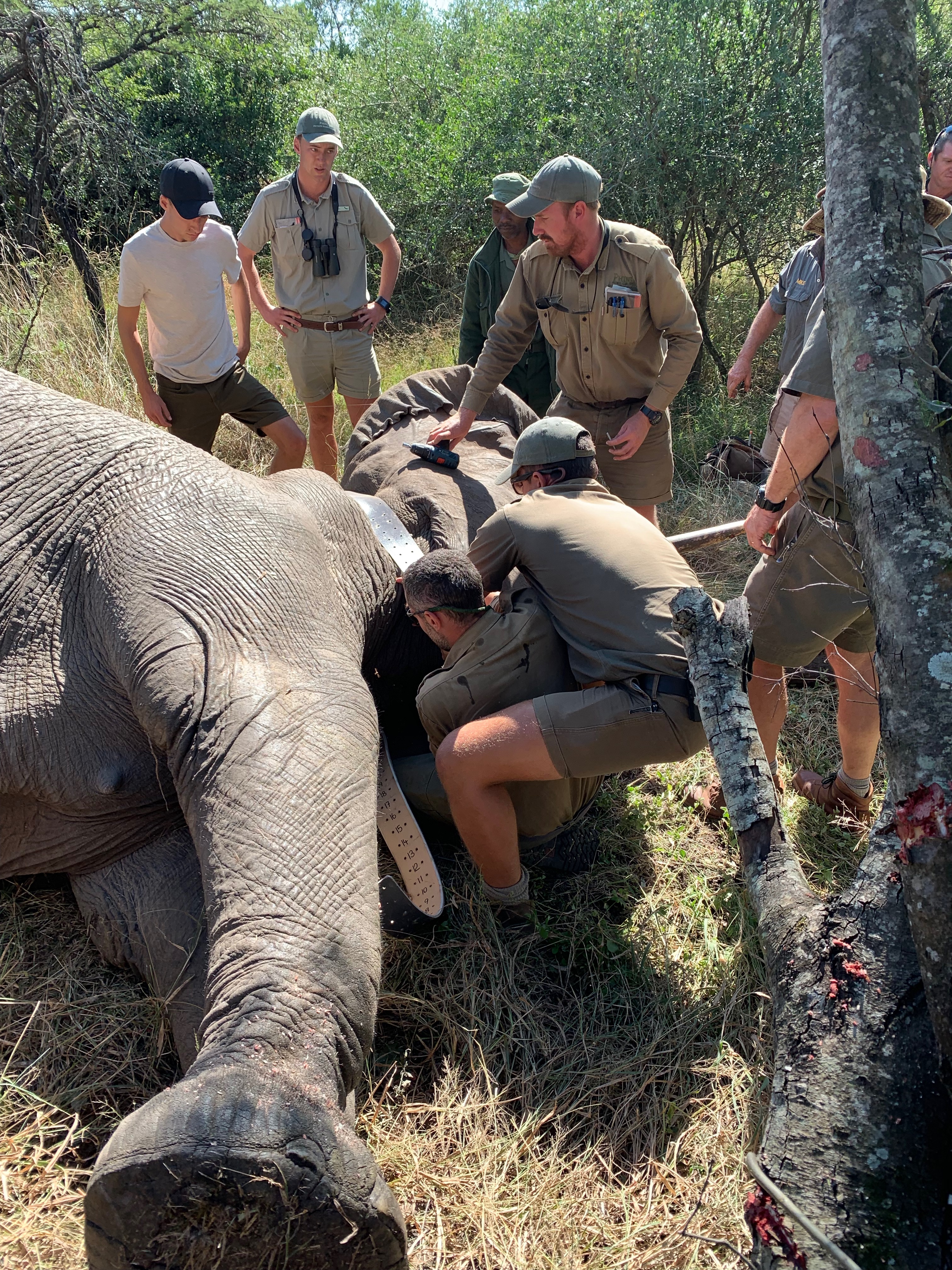
A rather massive radio transmitter was attached to her neck with an an industrial grade strap. After the radio collar was attached and enough data collected on her, the vet ordered us back to our vehicles. He gave her the antidote for the tranquilizer and she was up on her feet in seconds and running up hill to catch up with her herd.
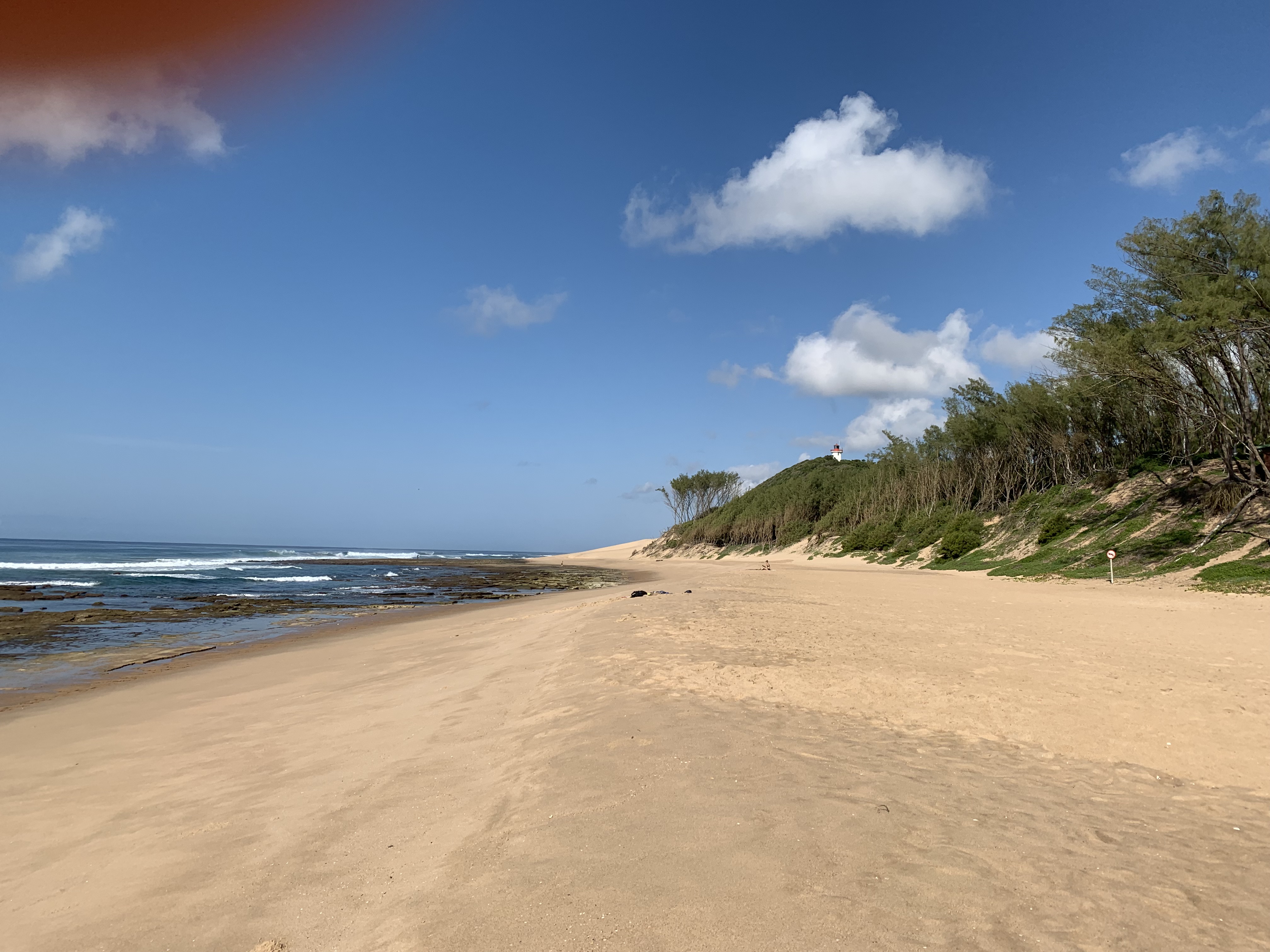
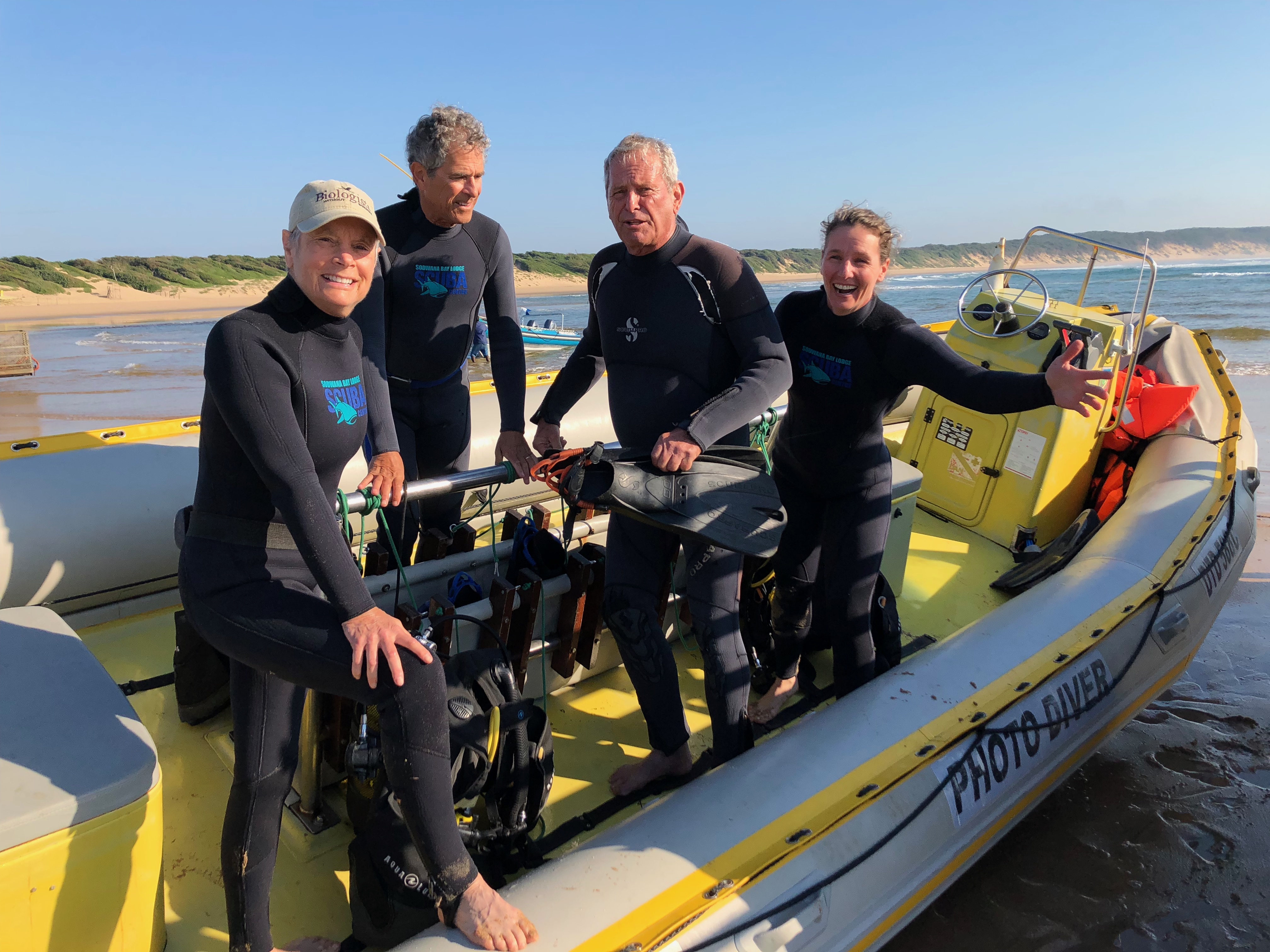
The last day of our adventure was spent on a huge sandy beach on the Indian Ocean. Some of us went SCUBA diving and other walked for miles on that lovely sandy beach. I had interesting conversations with South Africans on local political, mono culture forests issues and the legalization of cannabis.
The trip home was a marathon of 44 hours of bus, a short flight, waiting for a flight to Dubai, waiting in Dubai and finally the 18 hour flight from Dubai to SFO. It was an ordeal but worth it. Worth every dollar and every hour. Thank’s to Sue Orloff (left) and her team for the adventure of a lifetime.

 ruthlessparadise.com